Si ya tiene cuenta
Si no tiene cuenta
Crear cuenta
Acceda a su cuenta
Recovery of the Rec Comtal (Barcelona)
Previous studies between the neighborhoods of Vallbona and Trinitat Vella
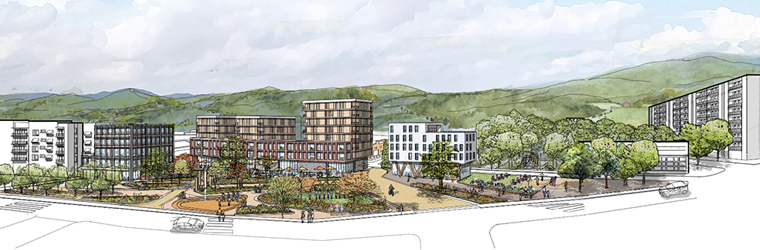
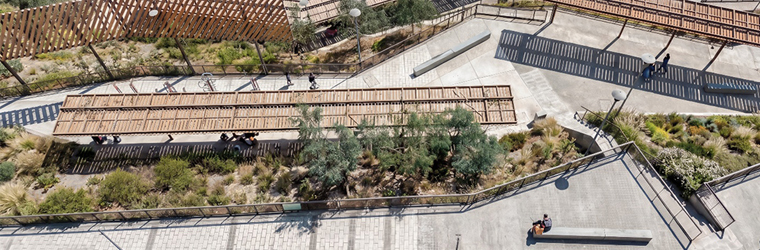
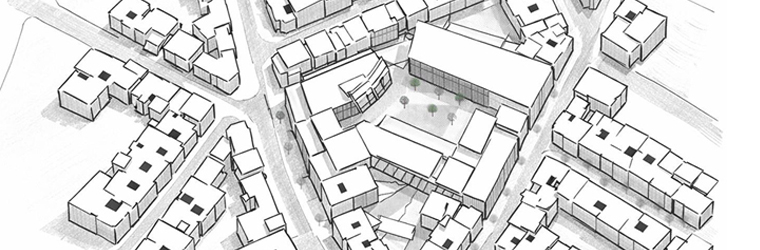
The study, done for Barcelona Council, recovers a part of the layout of the Rec Comtal, one of the most important hydraulic structures of the city. The stretch between the neighbourhoods of Vallbona and Trinitat Vella, at the outskirts of the city, shows remarkable features whick make it different from other urban stretches. The main fact is that it has kept its original function as irrigation channel, so it still contains water from the aquifer and it conserves original elements of the landscape which surrounded this infrastructure.
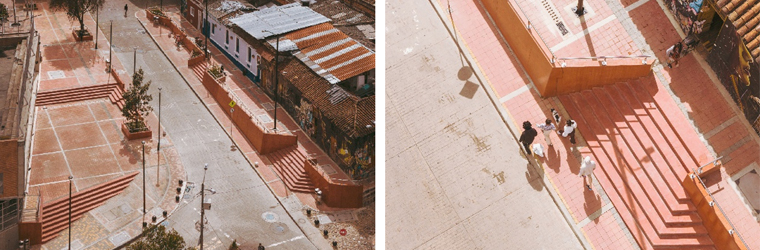
The recovery strategy has the following objectives: to recover the prominence of the channel as backbone axis in the urban scale, reinforcing its role as public space for the city; to strength the Rec as social tie and revitalizing, proposing the creation of a sort of public spaces interrelated to the surrounding neighbourhoods, and fostering the integration of the project in the local scale in the short and medium term; and finally to foster the Rec has living memory of Barcelona, recovering its heritage elements so neighbours and citizens could discover them.
Keywords:
Rec Comtal, Ecotone, Biological corridor, Heritage
Suscríbase o acceda a la tienda para ver todo el contenido
| Directora: | María A. Leboreiro Amaro, Dra. Arquitecta |
| Secretario de dirección: | Alberto Leboreiro Amaro, Dr. Arquitecto |
| Secretario de redacción: | David Hidalgo Pérez, Arquitecto |
| Consejo de redacción: |
Miquel Adriá, director de la revista Arquine Carmen Andrés Mateo, Arquitecta José Mª Ezquiaga Domínguez, Dr. Arquitecto. Profesor Titular de la E.T.S. de Arquitectura de Madrid José Fariña Tojo, Dr. Arquitecto. Catedrático Emérito de la E.T.S. de Arquitectura de Madrid Fernando Fernández Alonso, Arquitecto Josep Mª Llop Torné, Arquitecto. Profesor en la Facultad de Geografía de la Universidad de Lleida Llanos Masiá González, Arquitecta Javier Ruiz Sánchez, Dr. Arquitecto. Catedrático de la E.T.S. de Arquitectura de Madrid |
| Edita: |
planur-e Vergara, 12 4ºB Centro 28013 Madrid |
| Traducción: | planur-e |
| ISSN: | 2340-8235 |
| Copyright: | (2013): planur-e |
Planur-e: www.planur-e.es es una revista digital editada en España en materias de territorio, urbanismo, sostenibilidad, paisaje y diseño urbano. Nació con el objetivo de exponer buenas prácticas dando voz a los profesionales, planteando que sean los propios autores de los trabajos quienes los presenten. Se colabora así a su difusión, al tiempo que se ofrece, a aquellos que se aproximan al proyecto, la oportunidad de ver otras formas de trabajar y contrastar sus propias reflexiones y propuestas. Planur-e por sus características pretende llenar un hueco, dada la escasez de publicaciones en estas materias. Alcanza en este momento su número diez, con un planteamiento monográfico y da, al tiempo, en su Miscelánea cabida a múltiples temas. Cuenta ya con un número importante artículos alrededor de 150, hasta el momento, y con autores de muy distintos países, lo que enriquece su tarea de divulgación.
En cumplimiento de lo dispuesto en el artículo 10 de la Ley 34/2002, de 11 de julio, de Servicios de la Sociedad de la Información y Comercio Electrónico (LSSICE), ponemos a su disposición la “información general”, que comprende los datos identificativos de la entidad titular de este sitio web:
Los trabajos firmados expresan únicamente la opinión de sus autores así como la documentación gráfica, y son de su exclusiva responsabilidad, a todos los efectos legales y no reflejan los criterios que pueda tener el equipo editorial. Ninguna parte de esta publicación puede reproducirse o transmitirse en ninguna forma sin autorización escrita por parte de la editorial.
Aquellas imágenes en las que no se ha podido identificar el propietario de los derechos, se entiende que son de libre uso. En caso de identificar alguna imagen como propia, por favor póngase en contacto con planur-e.
The signed works only express the opinion of their authors and also the graphic documentation, and are their sole responsibility, for all legal purposes, and do not reflect the criteria that the editorial team may have. No part of this publication may be reproduced or transmitted in any form without the written consent of the publisher.
It is understood that those images for which it was not possible to identify the holder of the rights are free to be used. In the event you identify an image as your own, please contact planur-e.